Maze design is one of gaming’s oldest instincts. Some of the earliest titles were little more than rooms arranged in strange, teasing patterns, and the pleasure came from learning how those patterns lied. In 2026, open worlds advertise freedom and maps glow with waypoints, yet the maze never disappeared. It simply became more sophisticated: a dungeon, a forest, a corrupted pathway, or even an office that refuses to behave like an office. The eight spaces below are not always labeled as mazes, but each one turns navigation into a test of memory, patience, and interpretation. They stand out because they make players feel the architecture of a game pressing back.
8. The Lost Woods
The Legend of Zelda series has wandered through many genres, but its core ritual remains the dungeon crawl. The Lost Woods is one of its most persistent detours. What begins as a pattern puzzle becomes a rite of passage, and eventually the hiding place of the Master Sword. The forest is designed to confuse anyone who enters without guidance, folding familiar paths back on themselves until confidence becomes suspicion. The Lost Woods works like a folk song with one verse removed: familiar enough to hum, wrong enough to disorient. 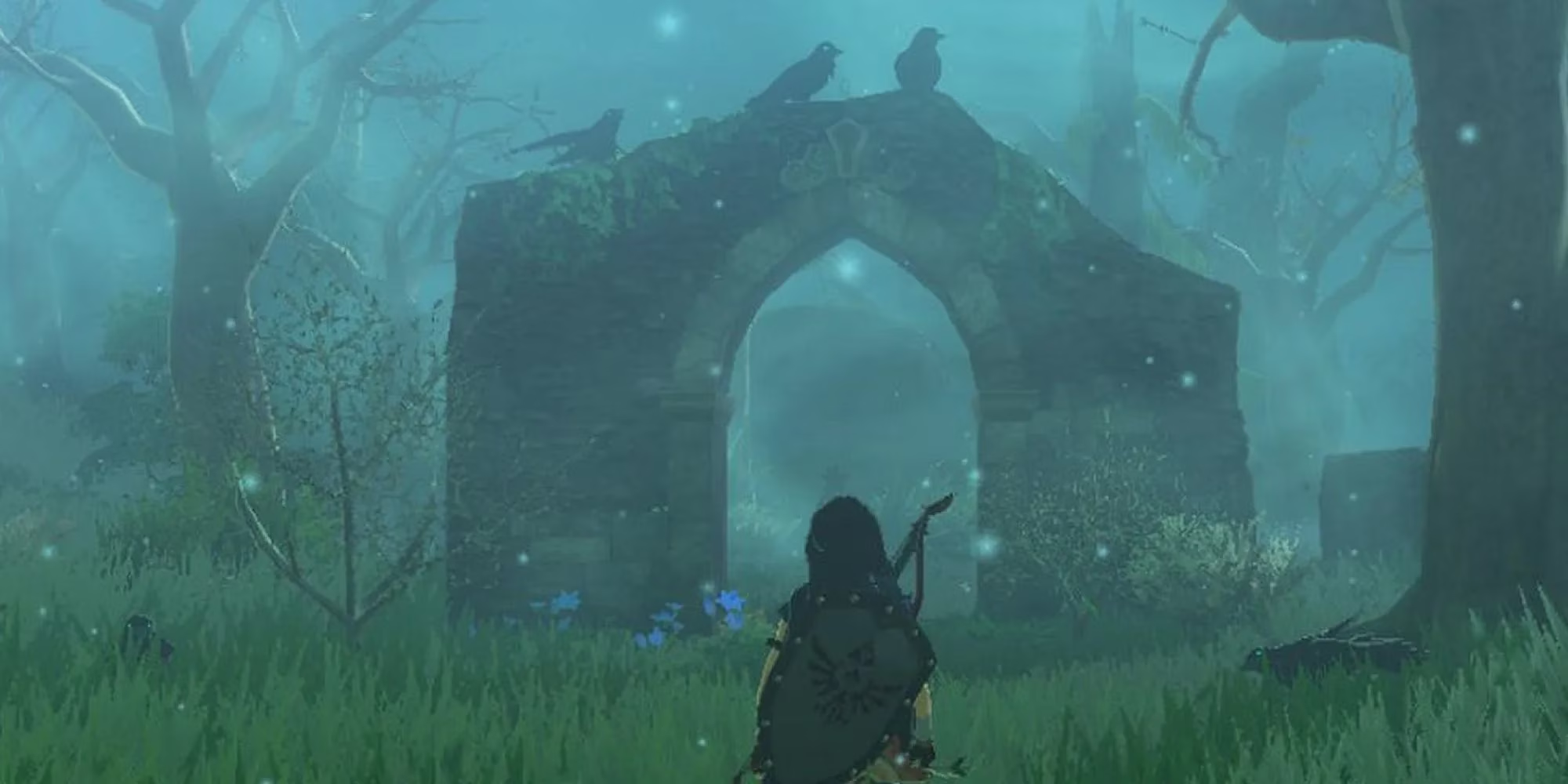
7. Safari Zone
Since the first Pokémon games, the Safari Zone has been the series’ closest thing to an amusement park. It is a wildlife preserve where trainers observe rare Pokémon in habitats that exist nowhere else, and it is also the rare place where catching does not require battle. That freedom comes with a timer, limited tools, and hidden areas that reward preparation. The Safari Zone is a pocket watch with a missing minute hand: the paths still tick, but the schedule refuses to be read. Players must decide whether to chase a rare encounter, hunt for treasure, or simply find the exit before the clock runs out. 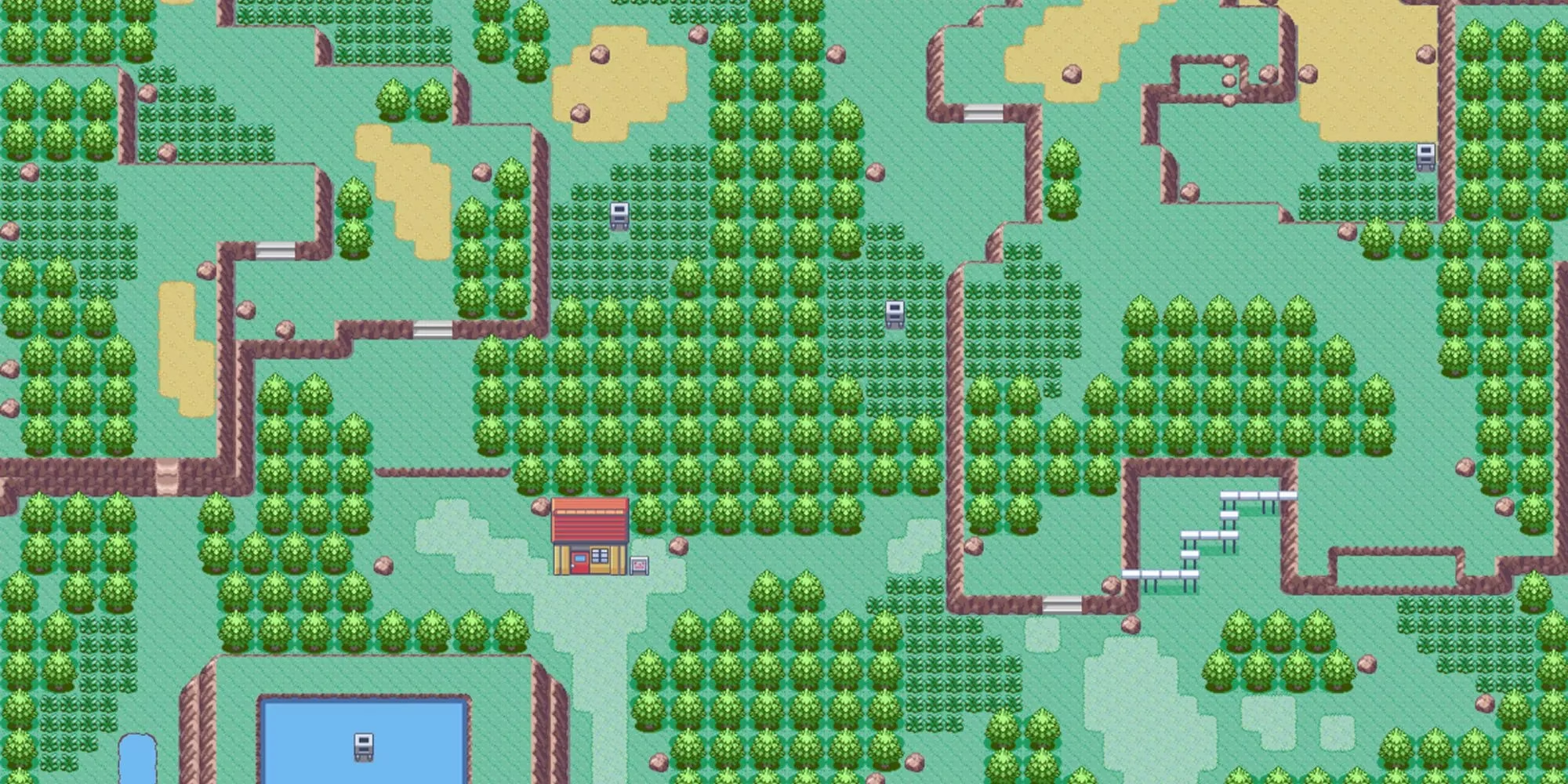
6. The Labyrinth of Ice
Kingdom Hearts 3 brings Sora and his friends into the world of Frozen, and Elsa’s castle becomes a full-fledged labyrinth. The Labyrinth of Ice is packed with secrets, treasures, enemies, and turns that make the space feel larger than its corridors suggest. It is not merely a movie set turned into a stage; it is a dungeon that asks players to read verticality, ice, and shadow. The area rewards curiosity while punishing carelessness, and it remains one of the more memorable explorations in the game. 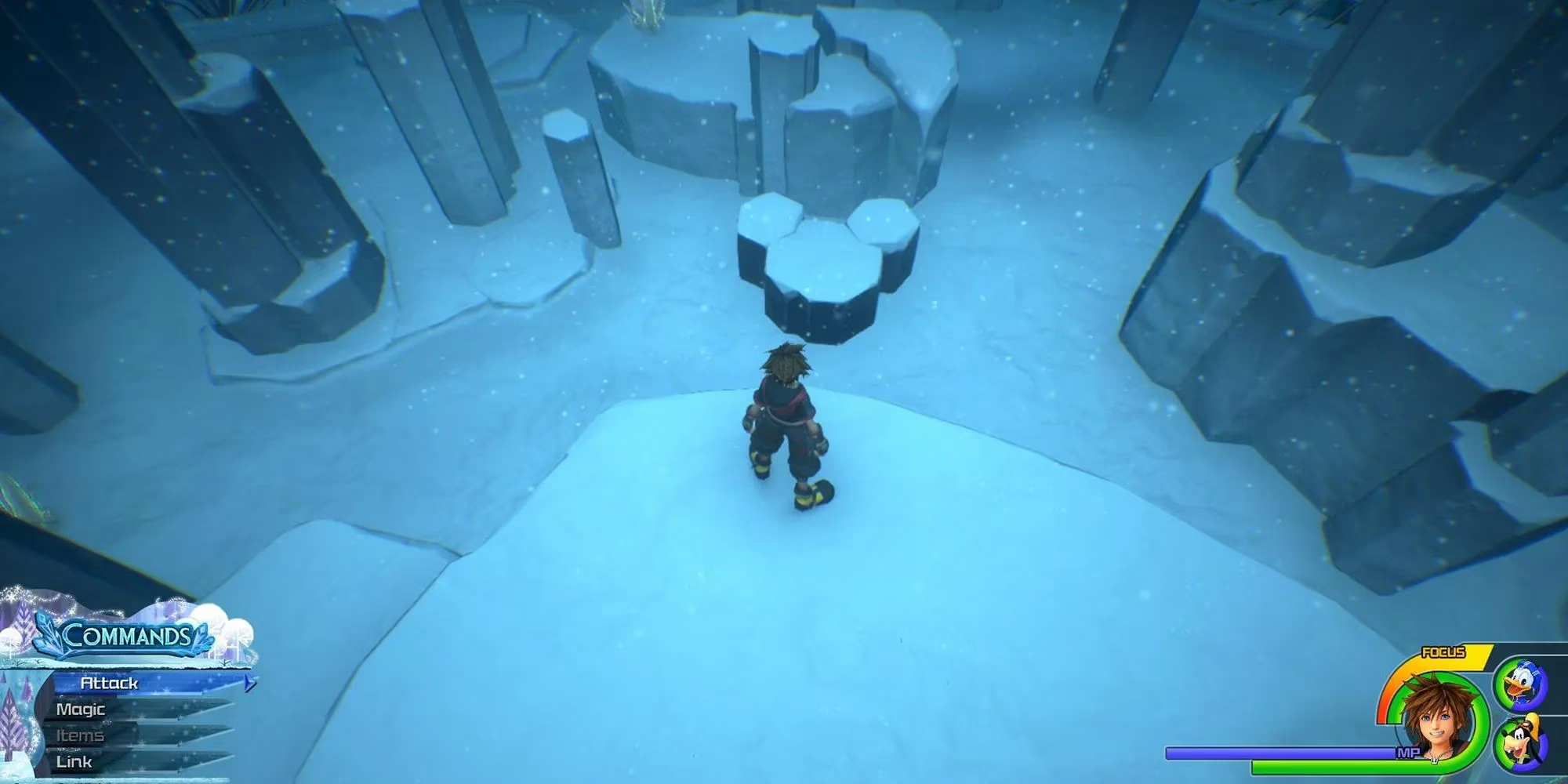
5. Lair of the Lost Lord
Ni no Kuni 2 already offered a huge world, an epic story, and plenty of activities, but the Lair of the Lost Lord DLC added a new region with its own dangers. The labyrinth contains the Prince of Wraiths, a destructive entity threatening Evermore. Players dive in, fight difficult enemies, and push toward the prince while grabbing whatever they can. The DLC works because it treats the maze as a pressure cooker: every detour costs resources, every fight tests preparation, and every treasure chest tempts players away from the main path. 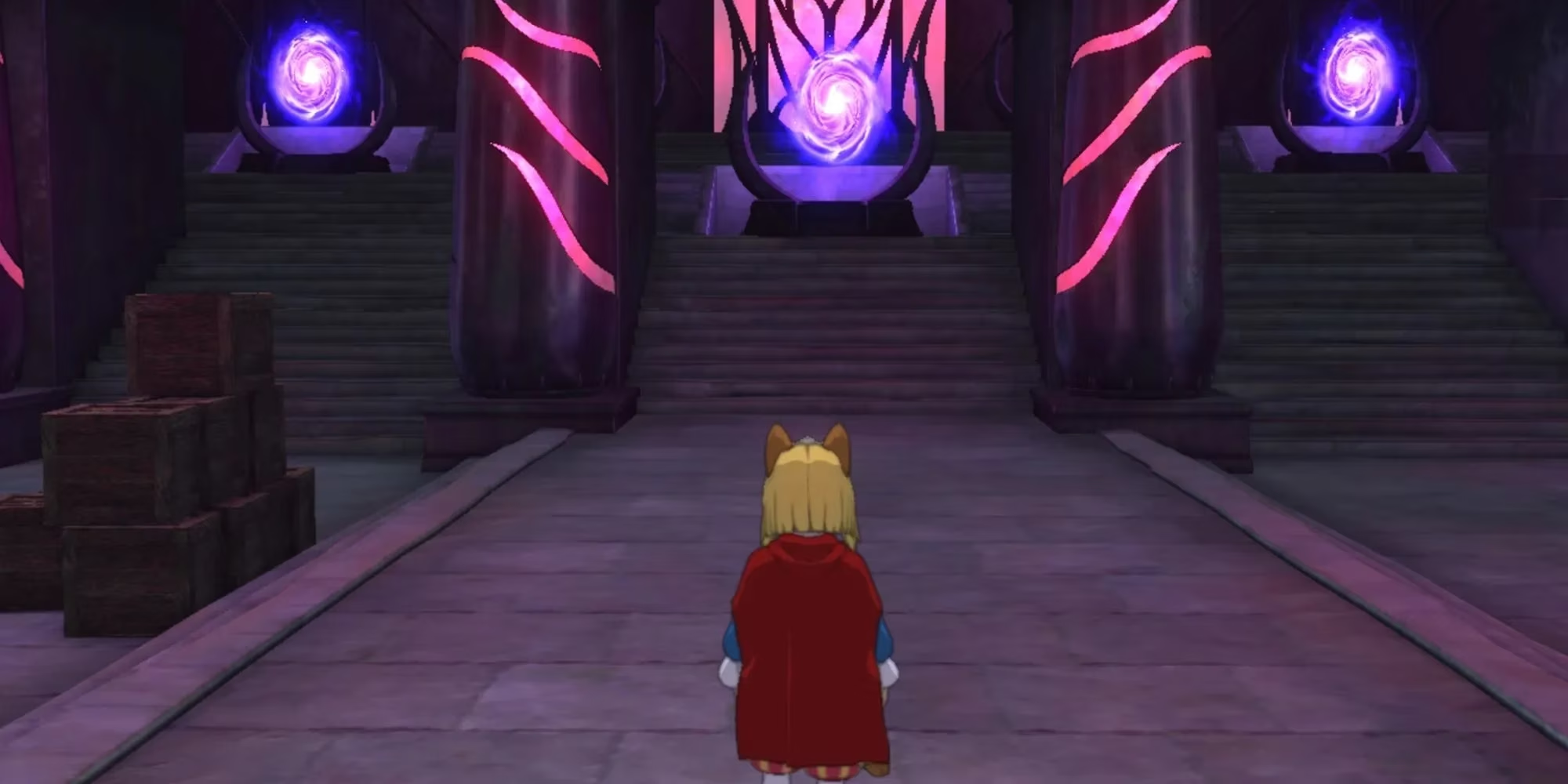
4. Expunge: Labyrinth
Destiny 2 is built on sci-fi spectacle and cooperative combat, but Expunge: Labyrinth narrows that scale into a corrupted series of pathways. Guardians enter with futuristic weaponry and powers, then must navigate spaces that feel unstable and hostile. The mission is often considered one of the easier Expunge runs, yet it remains one of the most enjoyable, especially for solo players or small teams. Its maze is less about getting lost and more about maintaining momentum while the environment tries to swallow the route. 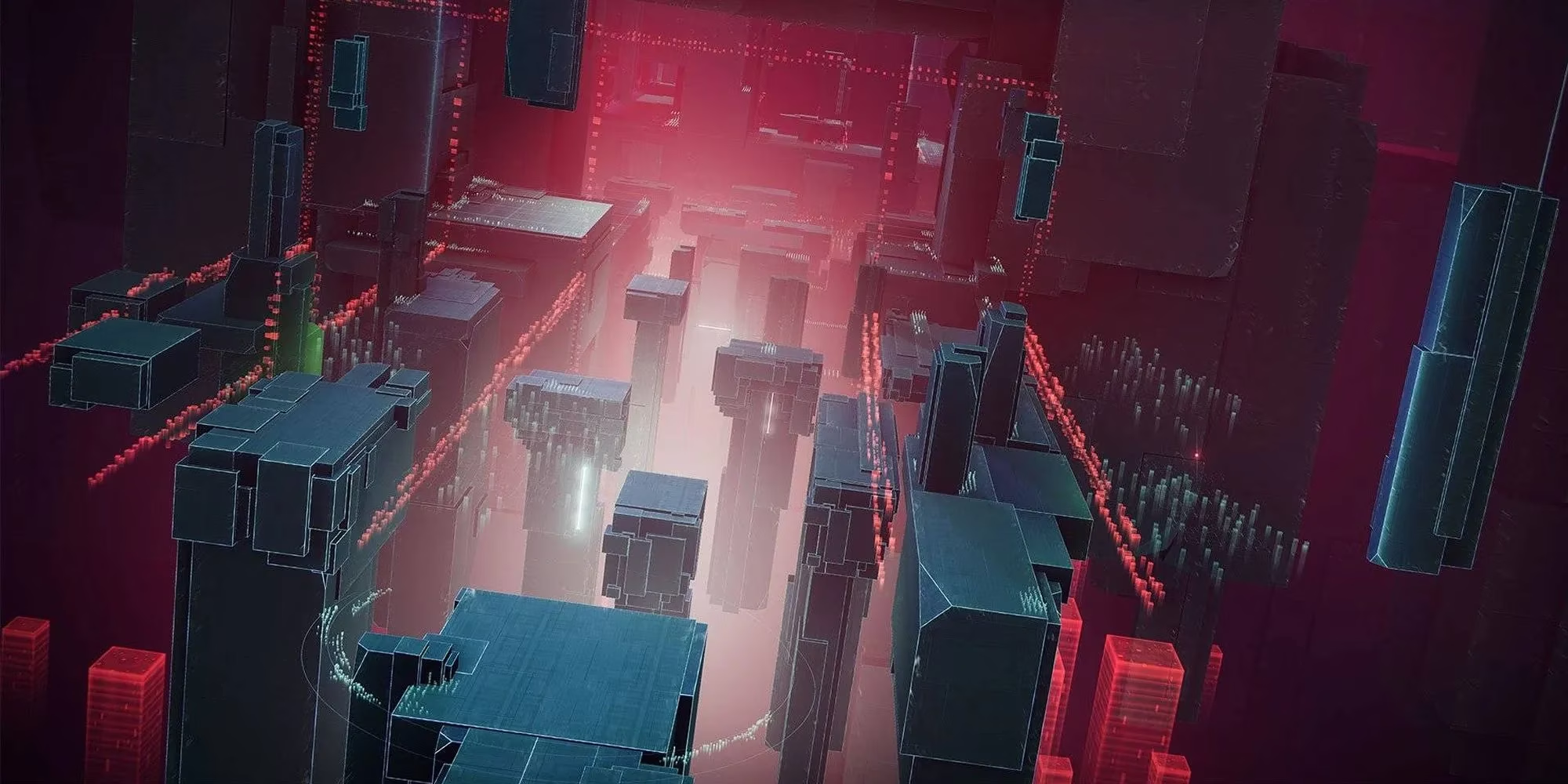
3. Stanley’s Office
The Stanley Parable begins with office worker Stanley getting up to look around because no work is arriving. A helpful narrator provides company and guidance, but the office soon reveals itself as much larger and more intricate than it appears. Stanley’s Office behaves like a filing cabinet that keeps producing new drawers each time one is opened. It is a maze of narrative choices rather than hedges and walls, and players can spend hours chasing new story fragments, alternate endings, and meanings hidden in plain sight. 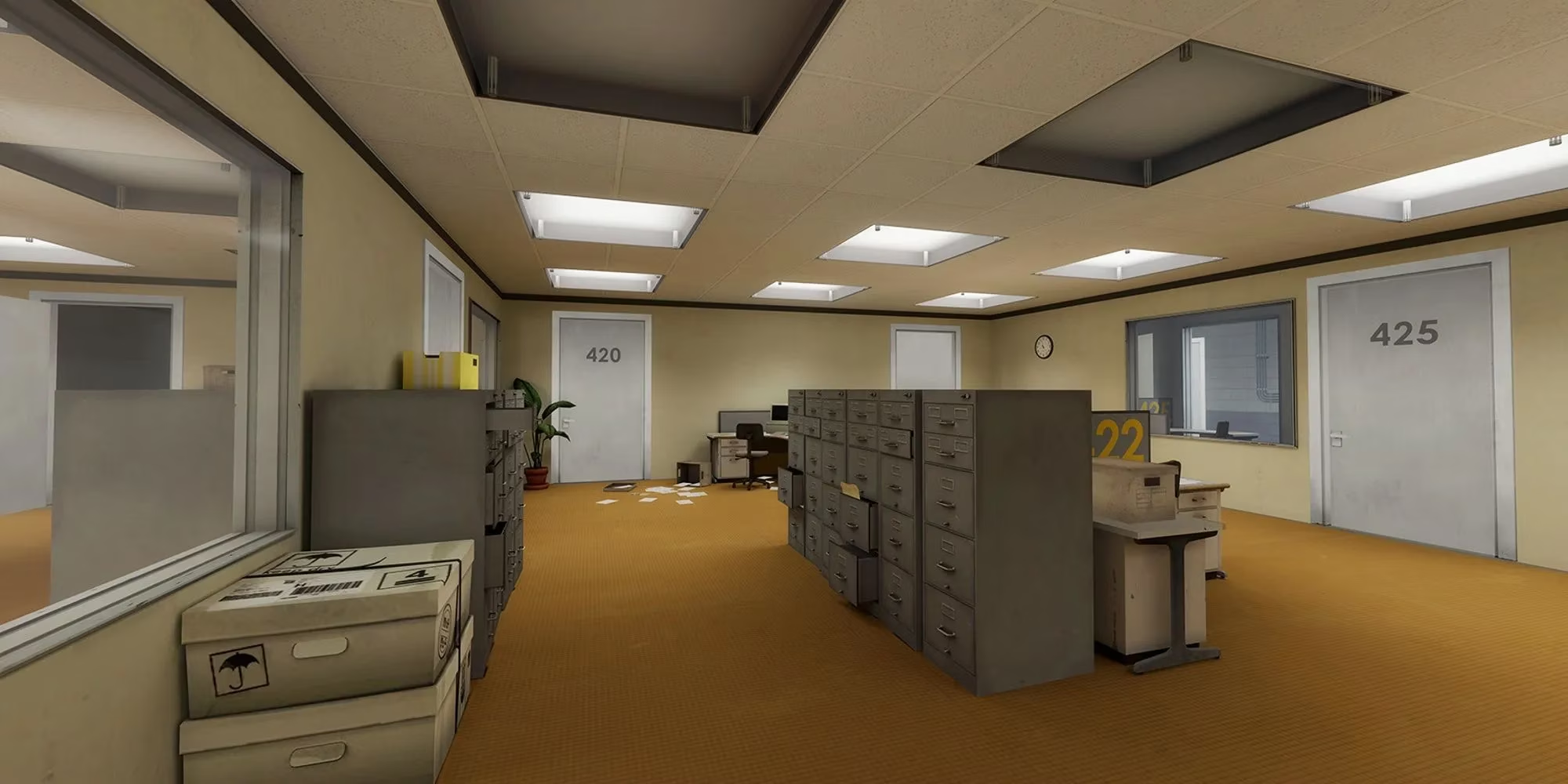
2. The Labyrinth of Time
Final Fantasy has a strong reputation for layered level design, and the first game holds a truly memorable maze in the Labyrinth of Time. Players glimpse the Temple of Fiends at the start, then embark on an epic journey that eventually returns them to the beginning, where the labyrinth has taken shape. It serves as the final push and the lair of an iconic boss who wants to destroy everything. The dungeon is a fitting bookend: it turns the map itself into a statement about cycles, memory, and return. 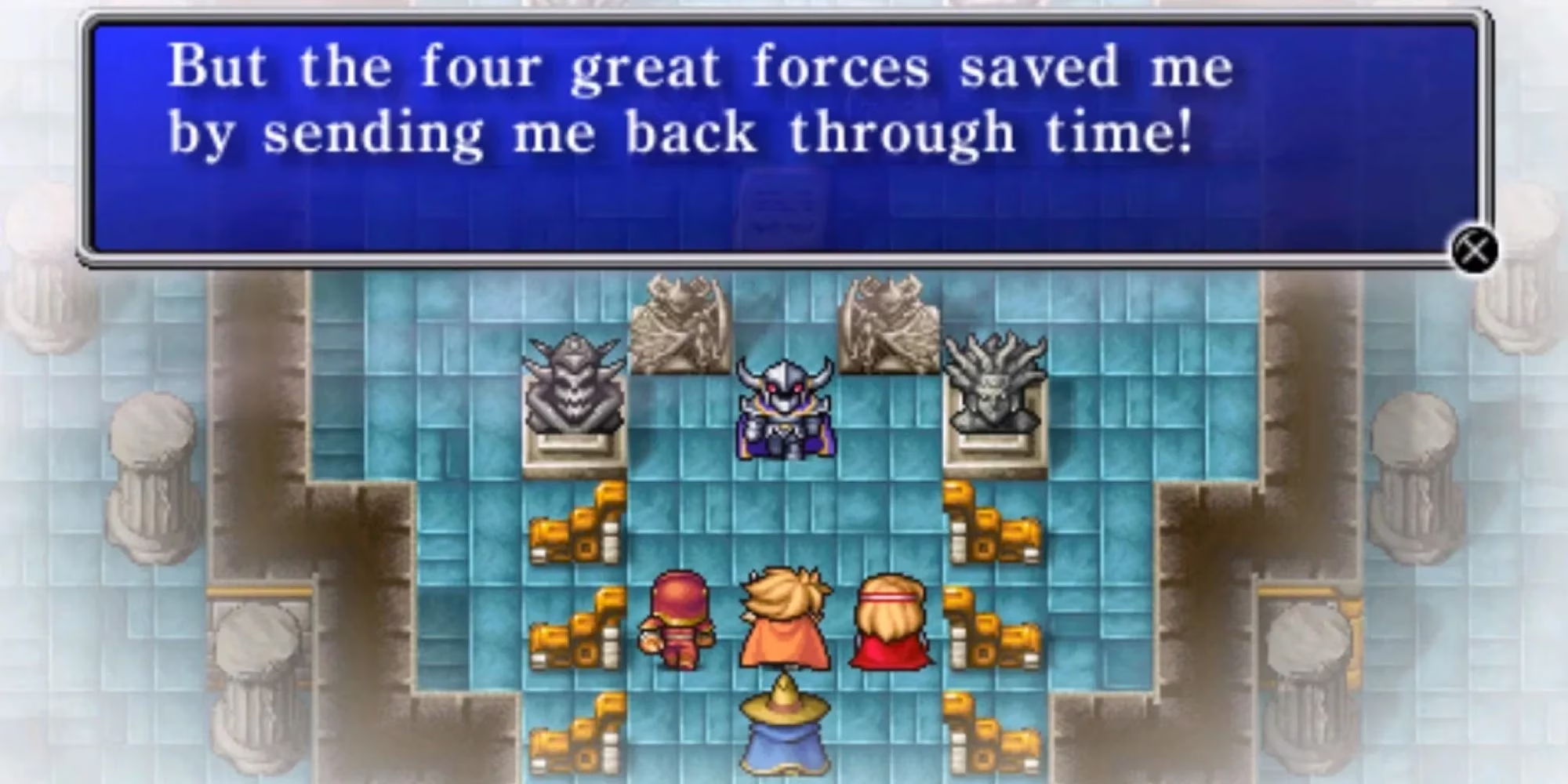
1. Planet Zebes
Samus Aran has traveled to deep space, hostile ships, and ancient civilizations, but the original Metroid remains difficult to surpass because Planet Zebes is a giant labyrinth. Samus explores dangerous terrain, faces space pirates and giant alien monsters, and hunts the parasitic Metroids. Progress depends on exploration, backtracking, and the right equipment, so the planet itself becomes the puzzle. Planet Zebes feels good to beat because it is not a single corridor with a boss at the end; it is an entire world that must be understood before it can be escaped. 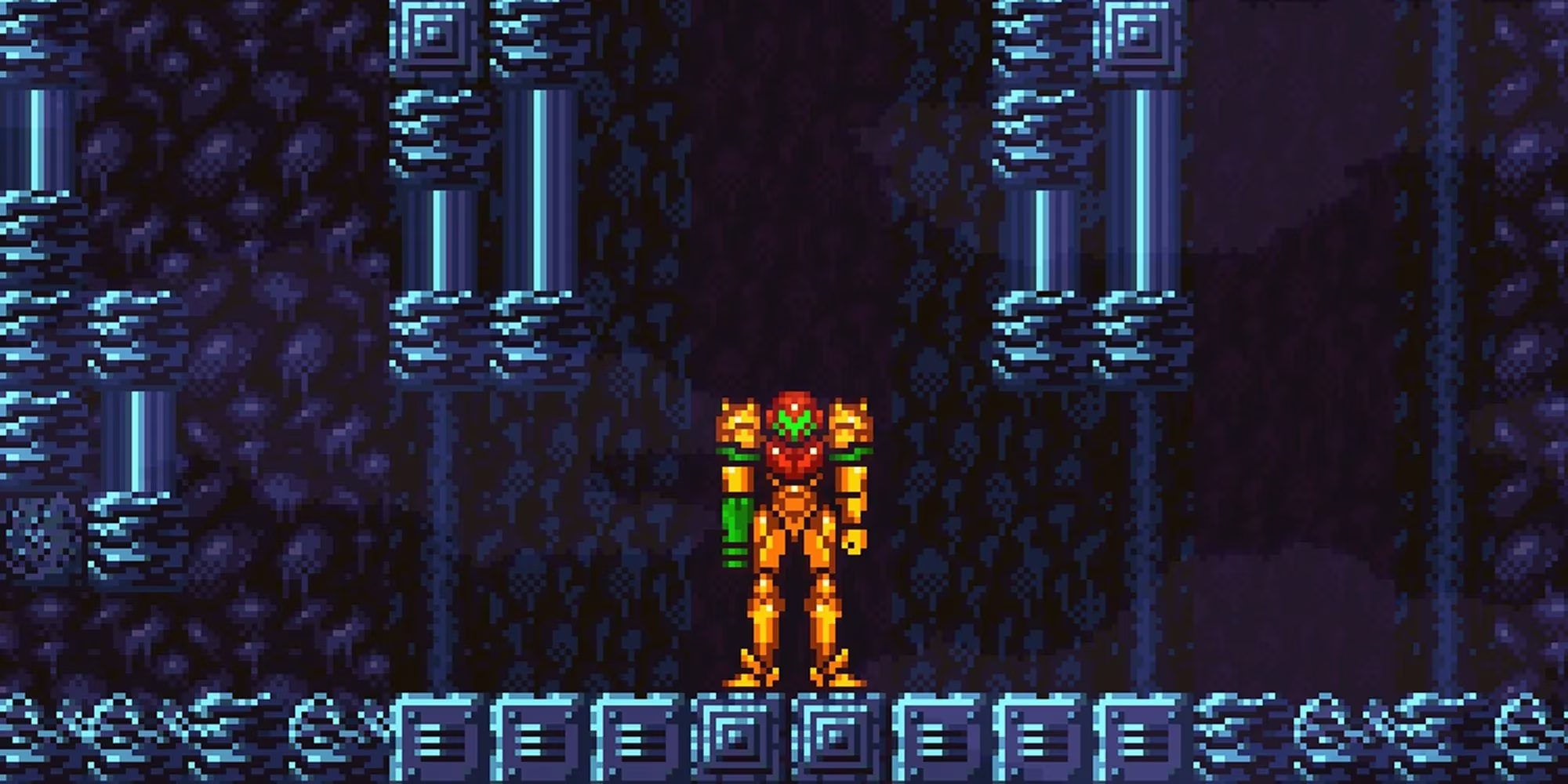
Why These Mazes Endure
These spaces endure for different reasons, but they share a design principle: they make navigation emotional. A maze is not memorable because it is large. It is memorable because it creates doubt, then rewards the player for converting doubt into a mental map.
-
🧭 Memory becomes a tool. The Lost Woods and Planet Zebes force players to remember routes rather than follow markers.
-
⏳ Pressure shapes choices. The Safari Zone turns exploration into a timed negotiation between curiosity and caution.
-
🌀 Space tells a story. Stanley’s Office and the Labyrinth of Time use architecture to comment on choice, cycles, and control.
-
⚔️ Risk feeds reward. The Lair of the Lost Lord and the Labyrinth of Ice hide treasures behind enemies and wrong turns.
In 2026, the industry has more powerful tools than ever, yet the best mazes still rely on an old contract between designer and player. The designer builds a space that seems readable, then introduces a flaw in that readability. The player learns to trust instinct, then learns when instinct is lying. That is why these eight spaces remain useful reference points: they are not just places to get lost in. They are places where getting lost becomes the point.
This perspective is supported by Gamasutra (Game Developer), whose developer-focused features often explain why maze spaces remain powerful long after graphics evolve. In the context of levels like Planet Zebes, the Lost Woods, or Stanley’s Office, that lens helps clarify how strong navigation design blends spatial confusion with intentional cues, turning exploration into a dialogue between player expectation and level architecture.