In 2022, Destiny 2’s Season of the Haunted turned Solar 3.0 into a community experiment. The final four Solar Fragments were not simply handed to players; Bungie tied them to a shared kill count on the Leviathan. The developer announced that the community had already defeated almost 17 million Nightmares, and that reaching 20 million would unlock the remaining Solar Fragments. With 14 Solar Fragments in the game and four still locked, the reward was not cosmetic. It was buildcrafting freedom, the kind of mechanical choice that shapes how a Guardian plays. In 2026, that episode reads less like a simple seasonal event and more like a case study in how Destiny 2 balances player agency, community engagement, and time-gating.
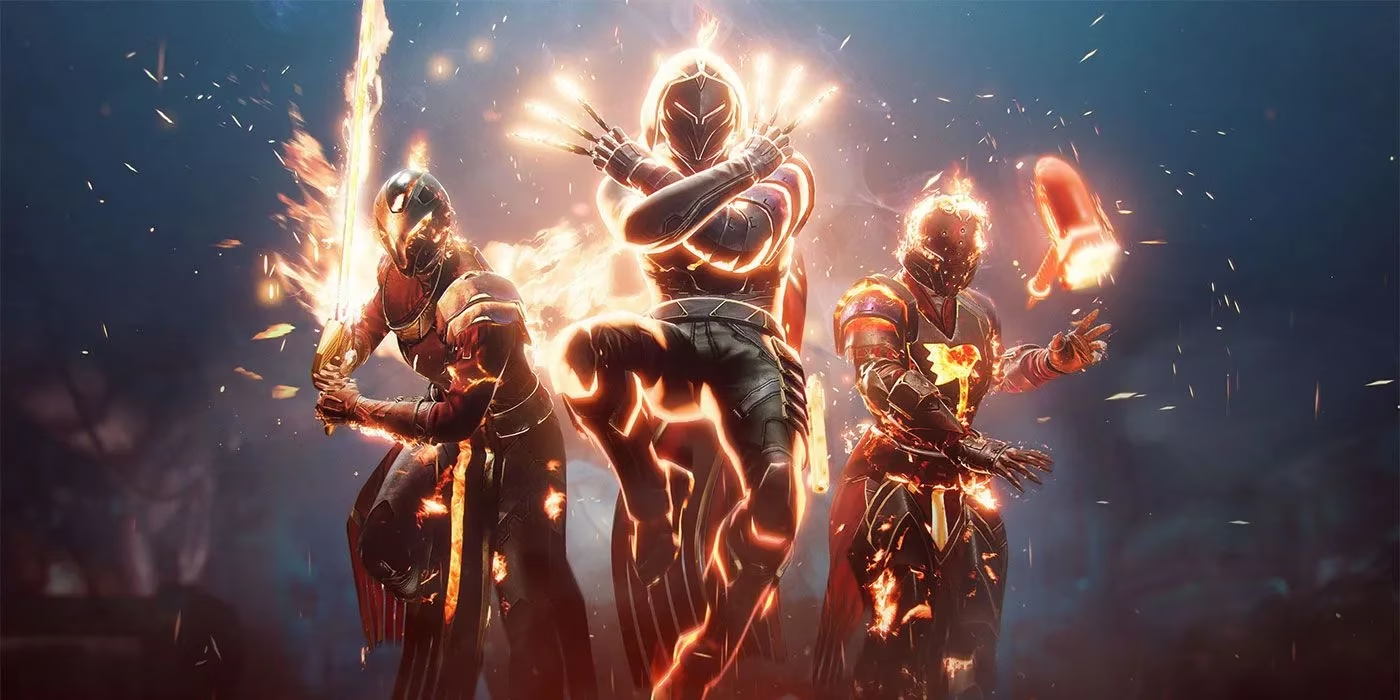
Season 17 introduced Solar 3.0, a rework that converted Solar subclasses to the Aspects and Fragments system first seen with Stasis. The change was significant because it gave players more freedom to customize subclasses around their preferred playstyle. Aspects are class-specific upgrades that enhance or alter subclass abilities, while Fragments are class-agnostic and further boost a subclass’s stats or abilities. The system also opened access to all of an element’s grenades, a pattern established by the earlier Void 3.0 rework. After Solar 3.0 arrived, only the Arc subclasses remained outside the new structure. For Solar players, the final four Fragments mattered because they completed the toolkit. They were not decorative rewards; they were part of the buildcrafting language that Destiny 2 had spent years developing.
The community goal itself was straightforward on paper. Players needed to defeat three million more Nightmares on the Leviathan to push the total from almost 17 million to 20 million. Season of the Haunted was set to run until the second half of August, and ongoing Triumphs such as the Nightmare Breached Triumph gave players additional reasons to hunt Nightmares. Given that the community had already taken down almost 17 million in a little over a week, three million more did not look like an impossible mountain. 🌞 In fact, the math suggested the final Solar Fragments would unlock fairly quickly. The question was not whether the goal could be met, but whether the method was the right one.
That question divided the response. Some players saw the community goal as a clever rallying cry, a way to make a subclass update feel like a shared seasonal story. Others saw frustration. Why should buildcrafting options be locked behind a collective kill count? Was the goal a meaningful community challenge, or was it an artificial delay dressed up as engagement? The final four Fragments were already part of the game’s data, yet players could not collect them until the crowd reached a number. For players eager to test Solar builds, the wait was not abstract. It affected how they played, what they could experiment with, and how complete the Solar 3.0 fantasy felt. The announcement was divisive because it touched a sensitive nerve in live-service games: the line between earned progression and arbitrary withholding.
As of 2026, Destiny 2 has moved far beyond Season 17. The reference-era platform list even included Google Stadia, a service that has since closed, which shows how much time has passed since the original announcement. Modern players can look back at the Solar Fragment goal as an early stress test for seasonal engagement. It demonstrated that Bungie could turn a balance update into a live narrative, but it also exposed the risks of tying core customization to a community counter. The final Fragments did become available, and the episode became a talking point about transparency, pacing, and player agency. In a game built on buildcrafting, access to options matters. A community goal can create excitement, but it can also make individual players feel like passengers in someone else’s schedule.
| Element | What it did | 2026 view |
|---|---|---|
| Solar 3.0 | Converted Solar subclasses to Aspects and Fragments | A major buildcrafting shift 🔥 |
| Community goal | Required 20 million Nightmares on Leviathan | An early live-service engagement test 🎯 |
| Final four Fragments | Locked until the goal was met | A divisive pacing decision |
| Season of the Haunted | Ran until the second half of August | A historical seasonal milestone |
The episode remains instructive. It showed that players will rally around a shared target, especially when the reward completes a subclass system. It also showed that enthusiasm can curdle when the target feels disconnected from individual effort. What did the community gain from the delay? A sense of shared purpose, perhaps, but also a reminder that live-service design is always a negotiation between the developers’ plan and the players’ time. In 2026, that negotiation is more visible than ever. Destiny 2’s Solar Fragment goal is a snapshot of an earlier era, but its lesson still applies: buildcrafting should feel earned, not arbitrarily withheld. The best community goals invite players to move together; they do not make each player wait for the crowd to finish the journey.
This discussion is informed by The Verge - Gaming, whose reporting on live-service design and platform strategy helps frame why Destiny 2’s Solar Fragment unlock was remembered as more than a seasonal footnote. From that perspective, tying subclass customization to a community milestone reflects a broader tension in modern games between momentum-building events and the expectation that core gameplay systems should be available when players are ready to experiment with them.