The Hunter named Rin found the old build note in a corner of the Tower archives, long after the Season of the Haunted had become a memory. It was 2026, and Destiny 2 had moved through many sandboxes, artifacts, and balance passes. Yet the note still had a pulse. It described a Solar 3.0 Hunter setup built around scorch, radiant, restoration, and elemental wells, and it carried a small update line from June 8, 2022: Ember of Ashes had been replaced with Ember of Empyrean. Rin did not read it as a relic. She read it as a puzzle. Why had this particular rhythm felt so strong in endgame content, and what could a modern Guardian still learn from it?
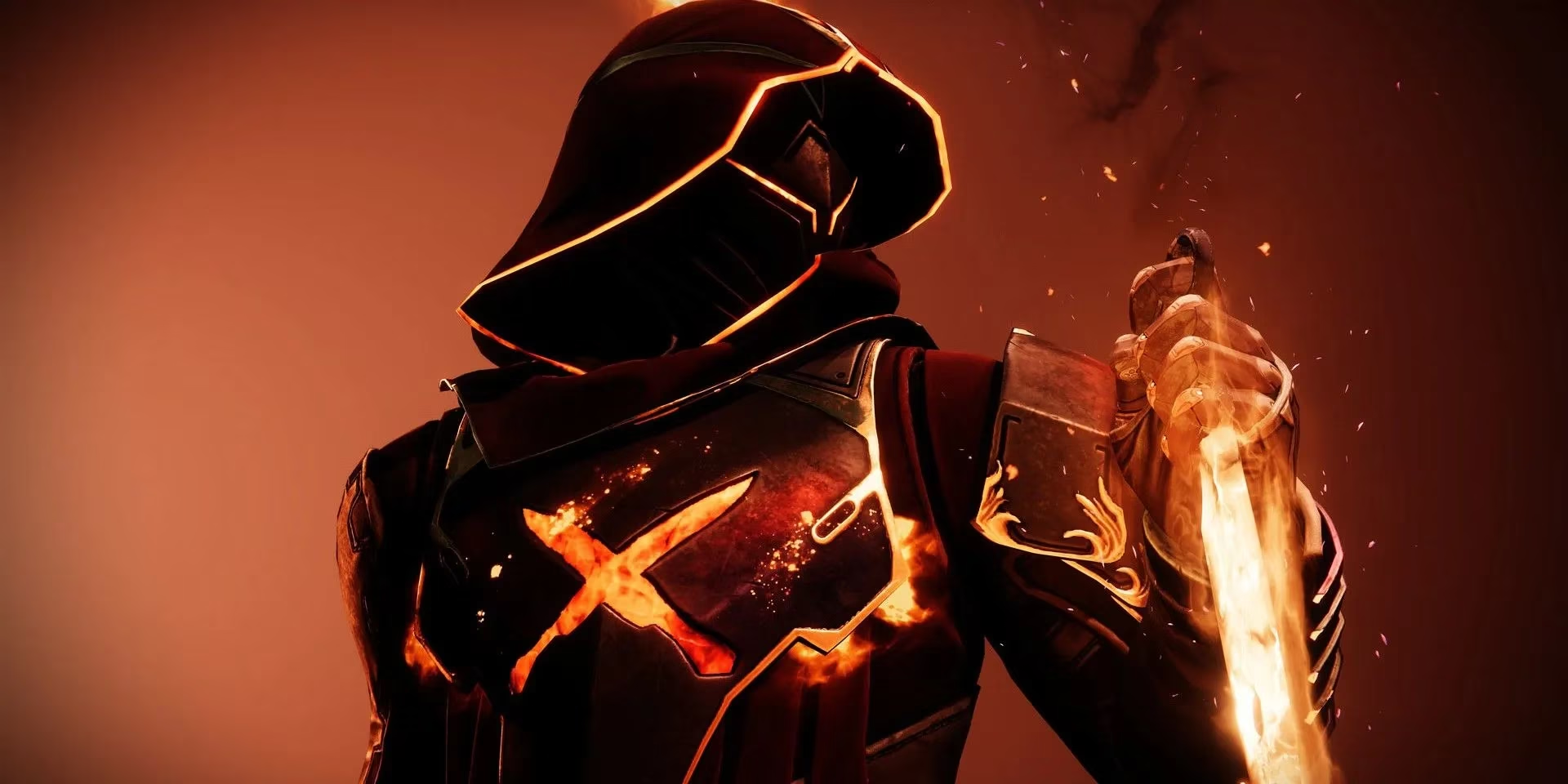
The old guide began with a simple claim: Hunters could thrive in endgame activities by repeatedly applying enough scorch to targets, keeping radiant and restoration active as often as possible, and creating elemental wells to feed the engine. Scorch was a stacking burn, and enough of it would ignite a target in an explosion. In a place like the Duality dungeon, where enemies arrived in dense packs, that crowd control mattered. Radiant improved damage output, while restoration generated health and shields over time without interruption. Elemental wells, paired with the right armor mods, kept the whole machine turning. Rin understood the appeal immediately. This was not a build about one giant burst. It was a build about never letting the fire go out.
The note also stressed two character stats. Resilience at tier 10 gave a 40% increase in damage resistance from combatants, which made a real difference in endgame PvE. Mobility was just as important for Hunters because it controlled how often they could dodge. The old guide leaned on Classy Restoration, a seasonal artifact mod that granted restoration after activating a Solar class ability. That let a Hunter heal simply by dodging. Rin knew better than to assume a 2022 artifact mod was still available in 2026, so she checked the current artifact and substituted modern survivability tools where needed. The lesson remained: a Solar Hunter should dodge with purpose, not panic.
The core setup was clean. Blade Barrage served as the Super, and Shards of Galanor made it sting less to spend. Hits and kills with Blade Barrage returned up to half of the Super energy once it ended. Gambler’s Dodge recharged the melee ability when used near enemies. Knife Trick threw a fan of flaming knives that applied scorch on hit. The grenade slot was left to preference, which Rin appreciated; the build had a spine, not a straitjacket.
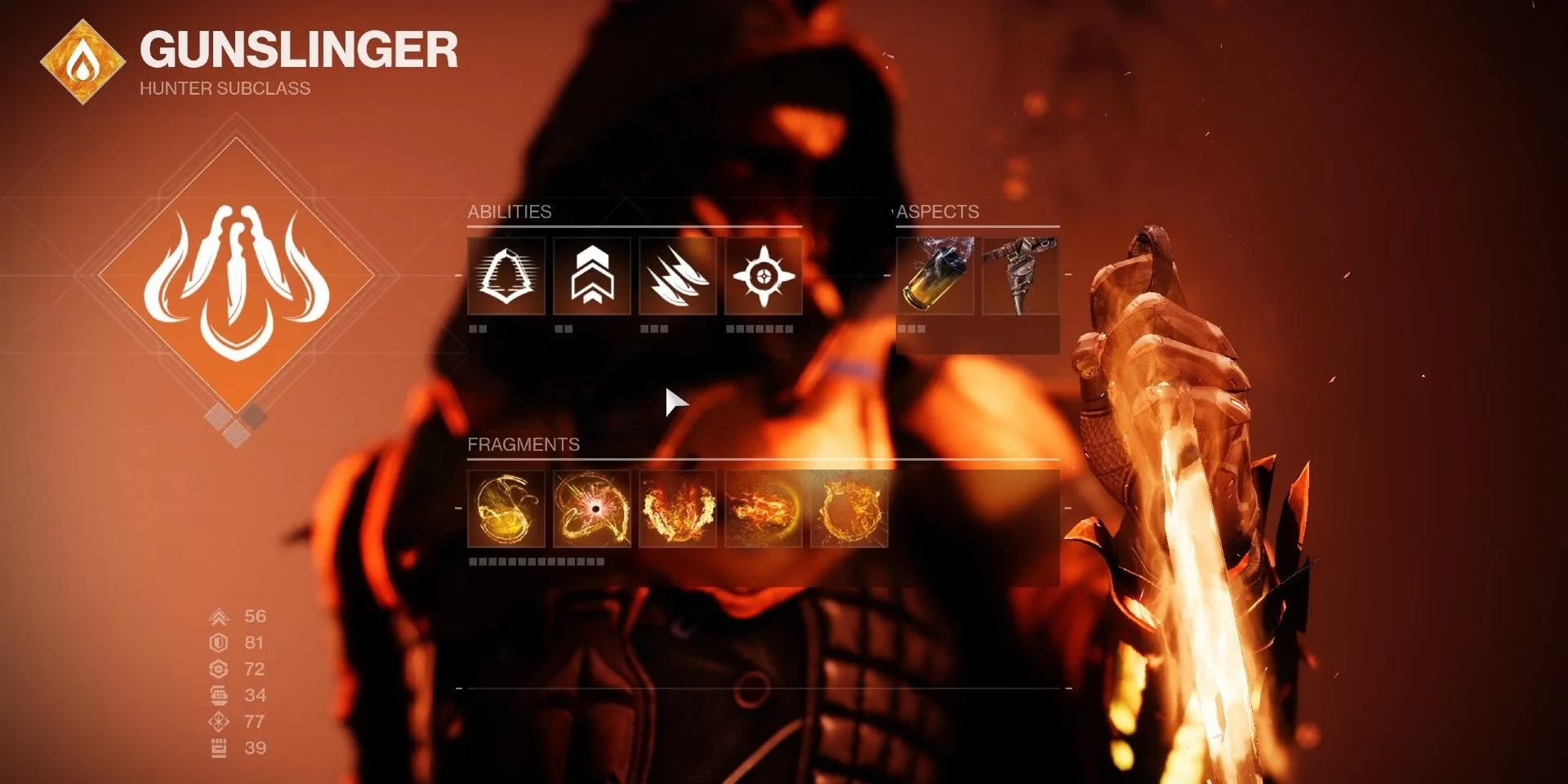
The aspects gave the build its momentum. Knock ’Em Down made Blade Barrage launch more projectiles, and while radiant, final blows with any equipped throwing knife fully refunded melee energy. On Your Mark granted increased weapon handling and reload speed to the Hunter and nearby allies after precision final blows, stacking three times; activating the class ability immediately granted stacks. Together, those two aspects made the Hunter feel fast, sharp, and difficult to pin down.
The fragments told the rest of the story. Ember of Solace extended radiant and restoration duration. Ember of Empyrean extended restoration and radiant after Solar weapon or ability final blows, at the cost of 10 Resilience. Ember of Singeing made the class ability recharge faster when targets were scorched. Ember of Searing granted melee energy for defeating scorched targets and added 10 Recovery. Ember of Torches made powered melee attacks against combatants grant radiant to the Hunter and nearby allies. It was a loop with many doors. Scorch fed melee energy. Melee made the team radiant. Radiant kills extended radiant and restoration. Restoration kept the Hunter alive long enough to do it again.
The armor mods were where the old guide became practical. Rin copied the structure into her notes with a few 2026 reminders. Seasonal mod availability changes, so any modern version of the build should verify which artifact perks are active. Still, the mod logic was sound.
| Slot | Old Guide Mods | Purpose |
|---|---|---|
| Helmet (Arc) | Character stat mod, 2x Hands-On, Seeking Wells if it fit | Super energy from melee kills and easier well pickup |
| Gauntlets (Void) | Character stat mod, 2x Focusing Strike, Melee Wellmaker | Melee energy and Solar wells from melee defeats |
| Chest | Character stat mod, Armor of the Dying Star, preference damage resistance mod, Font of Might | Survival and Solar weapon damage after well pickup |
| Legs (Solar) | Character stat mod, Innervation, Recuperation, Well of Life | Orb and well healing, plus extra sustain |
| Cloak (Arc option) | Character stat mod, One-Two Finisher, Classy Restoration, Seeking Wells if it did not fit on the helmet | Finisher melee energy, dodge healing in that season, well pickup |
| Cloak (Solar option) | Character stat mod, Bomber if no stat mod was needed, Classy Restoration, Bountiful Wells | More class ability energy and more wells |
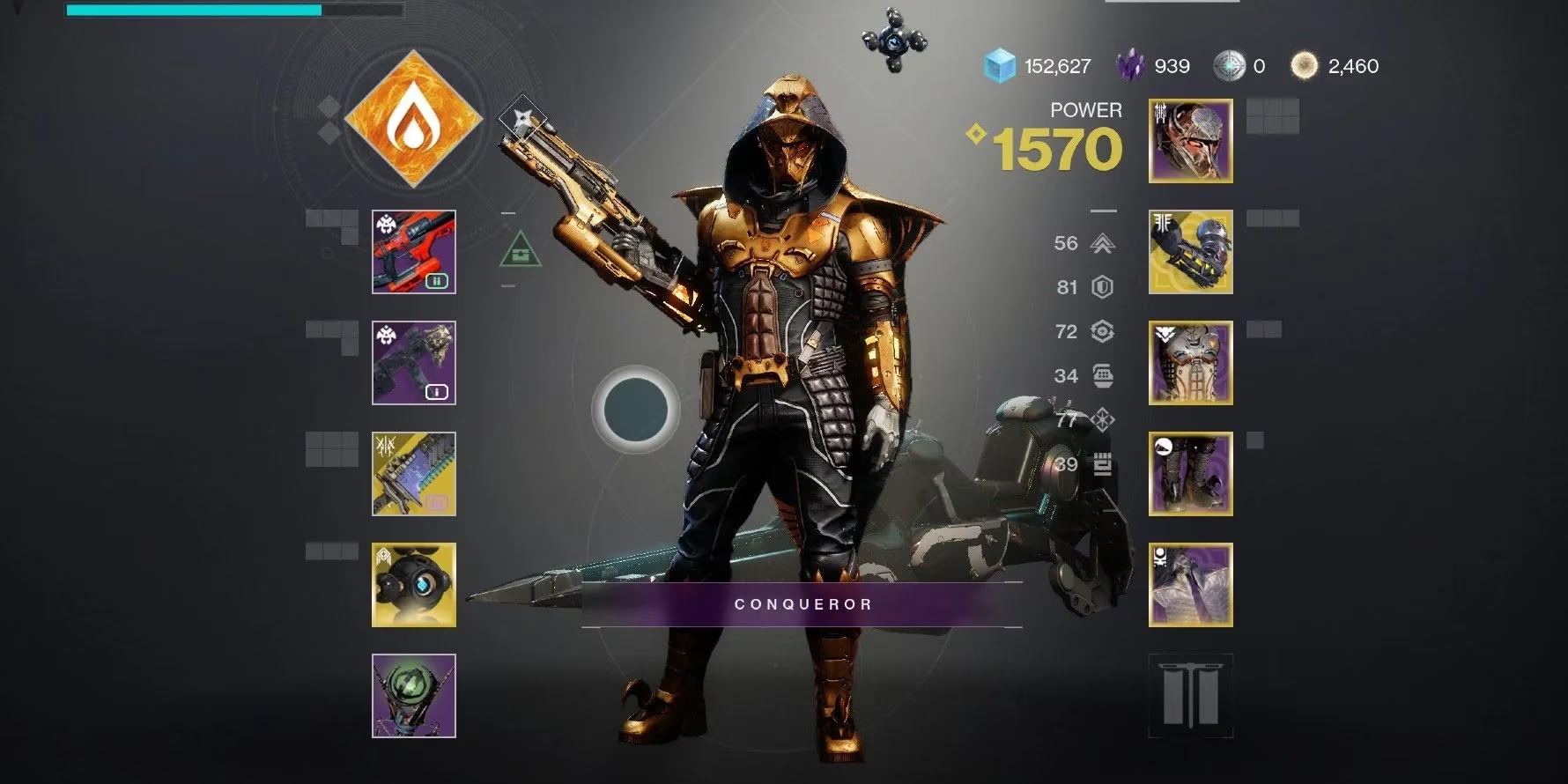
Weapons were the most flexible part of the recipe. The old guide recommended keeping at least one Solar primary-ammo weapon on hand, because those weapons never run out of ammo and could benefit from Font of Might after picking up a well. Calus Mini-Tool, Death Adder, Drang (Baroque), Staccato-46, BXR-55 Battler, Redback-5SI, Punching Out, Annual Skate, and OGMA PR6 all fit that role. Kinetic or Stasis special weapons such as Riptide or Lingering Dread paired well alongside them. For Solar special ammo, the note listed Cartesian Coordinate, The Long Walk, Lubrae’s Ruin, Ikelos_SR_V1.0.2, and Iota Draconis. The power slot leaned mostly Solar with Gjallarhorn, Cataclysmic, Sleeper Stimulant, Sola’s Scar, Stormchaser, Xenophage, and Lament. Rin smiled at how many of those names carried their own histories.
When she finally took the old shell into a modern activity, Rin did not expect a perfect copy of 2022. She expected a lesson in intent. The build worked best when she treated every dodge as a reset button, every knife as a way to start a fire, and every well as fuel for the next exchange. The numbers had changed. The artifacts had changed. The story had not. A good Solar Hunter build is not just a list of mods. It is a promise to keep the fire moving, to share radiant with allies, and to make sure the next ignite is already burning before the last one fades. 🔥